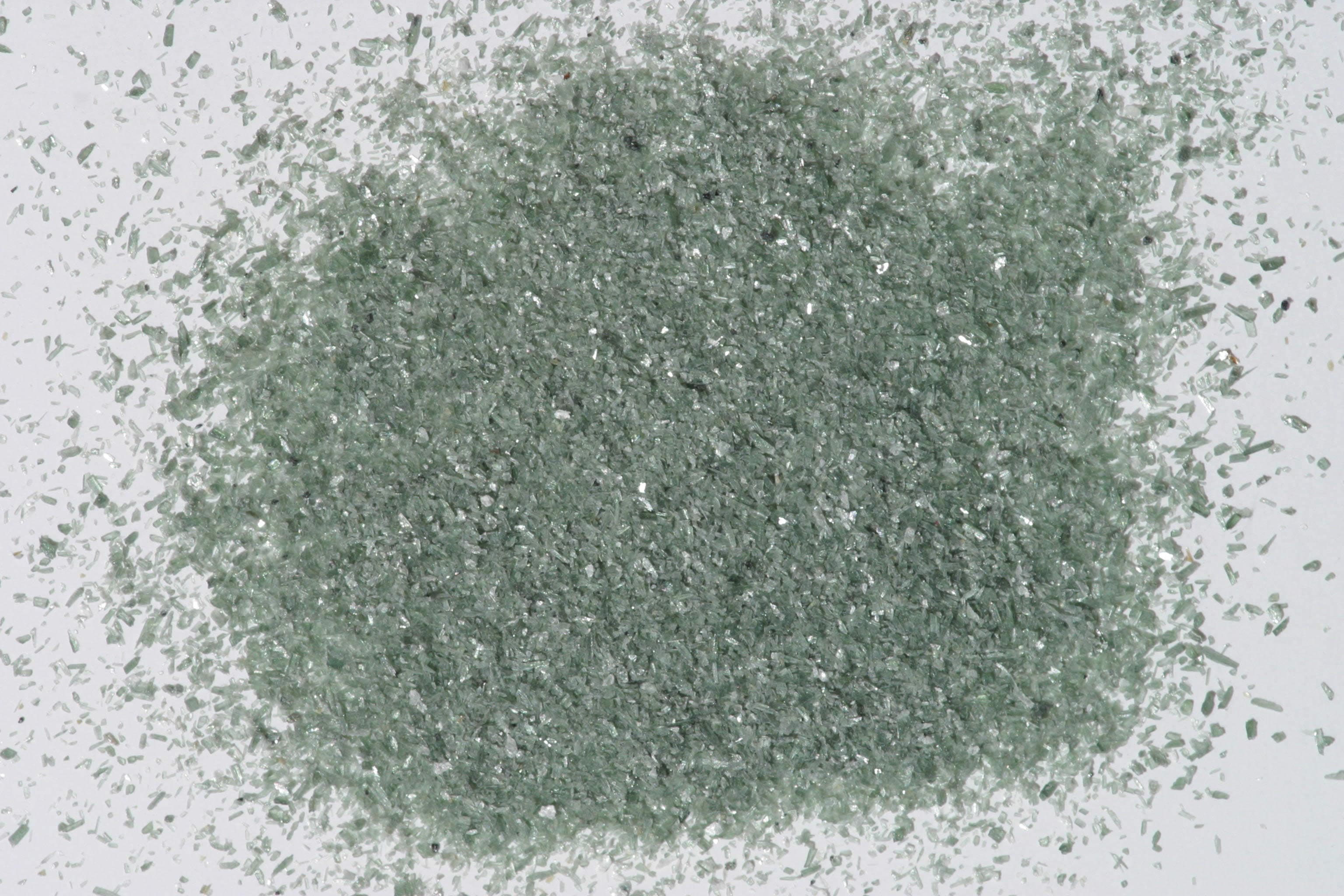
Bytownite — FTIR1,801 points · 400–4000 cm⁻¹
Spectrum Details
- Modality
- FTIR
- Category
- mineral
- Material Type
- Tectosilicate
- Sample ID
- HS105.1B, HS105.2B, HS105.3B, HS105.4B, HS105.6
- Collection Locality
- Essex County, New York
- Spectral Purity
- 1b2_3_4_ # Bytownite HS105.1B # 1= 0.2-3, 2= 1.5-6, 3= 6-25, 4= 20-150 microns SPECTRAL_PURITY: 1b2_3_4_ # Bytownite HS105.2B # 1= 0.2-3, 2= 1.5-6, 3= 6-25, 4= 20-150 microns SPECTRAL_PURITY: 1b2b3b4b # Bytownite HS105.3B # 1= 0.2-3, 2= 1.5-6, 3= 6-25, 4= 20-150 microns SPECTRAL_PURITY: 1b2_3_4_ # Bytownite HS105.4B # 1= 0.2-3, 2= 1.5-6, 3= 6-25, 4= 20-150 microns SPECTRAL_PURITY: 1b2_3_4_ # Bytownite HS105.6 # 1= 0.2-3, 2= 1.5-6, 3= 6-25, 4= 20-150 microns
- Composition / XRD
- None # XRF, EPMA, ICP(Trace), WChem COMPOSITION_TRACE:
- Sample Description
- Part of the albite-anorthite solid solution series. Grain size fractions are indicated by the extension after the sample number: .1B = IMAGE_OF_SAMPLE: NO PHOTO
- XRD Analysis
- 40 kV - 30 mA, 6.5-9.5 keV File: labrd105.mdi References: Borg and Smith (1969); Kroll (1983); PDF2 #41-1486, 19-0926 Found: Plagioclase feldspar, probably intermediate composition Comments: Peaks are moderately sharp peaks but show poorly resolved alpha1-alpha2 components, perhaps due to some variation in composition or structural state. Line-based search-match returns 10 plagioclase feldspars in the first 10 hits; the most likely hit (and only feldspar) from profile-based search-match is #41-1481, disordered An83Ab17 (bytownite). The delta 2 theta(131)-(1-31)=1.82 degrees and corresponds to low plagioclase (or intermediate albite) structural state and composition less than 53% anorthite component (Kroll, 1983, fig. 12). Reflections diagnostic of low plagioclase composition (Kroll, 1983, p. 328-9) yield Si/Al=1.3:1 (bytownite composition). There were unindexed reflections: 8.55 Angstroms (weak) is observed in other patterns and may be instrumental in origin; 4.23 Angstroms (very weak) could be explained by a trace of K-feldspar; and 1.829 Angstroms (moderately weak) remains unexplained.
- X Units
- cm⁻¹
- Y Units
- Absorbance
- Data Points
- 1,801
Download
Attribution
USGS Spectral Library Version 7, U.S. Geological Survey
License: Public Domain
DOI: 10.3133/ds1035Analyze in Workbench
Open this spectrum in the SpectralBench workbench for advanced analysis, peak detection, and comparison.
Open Workbench