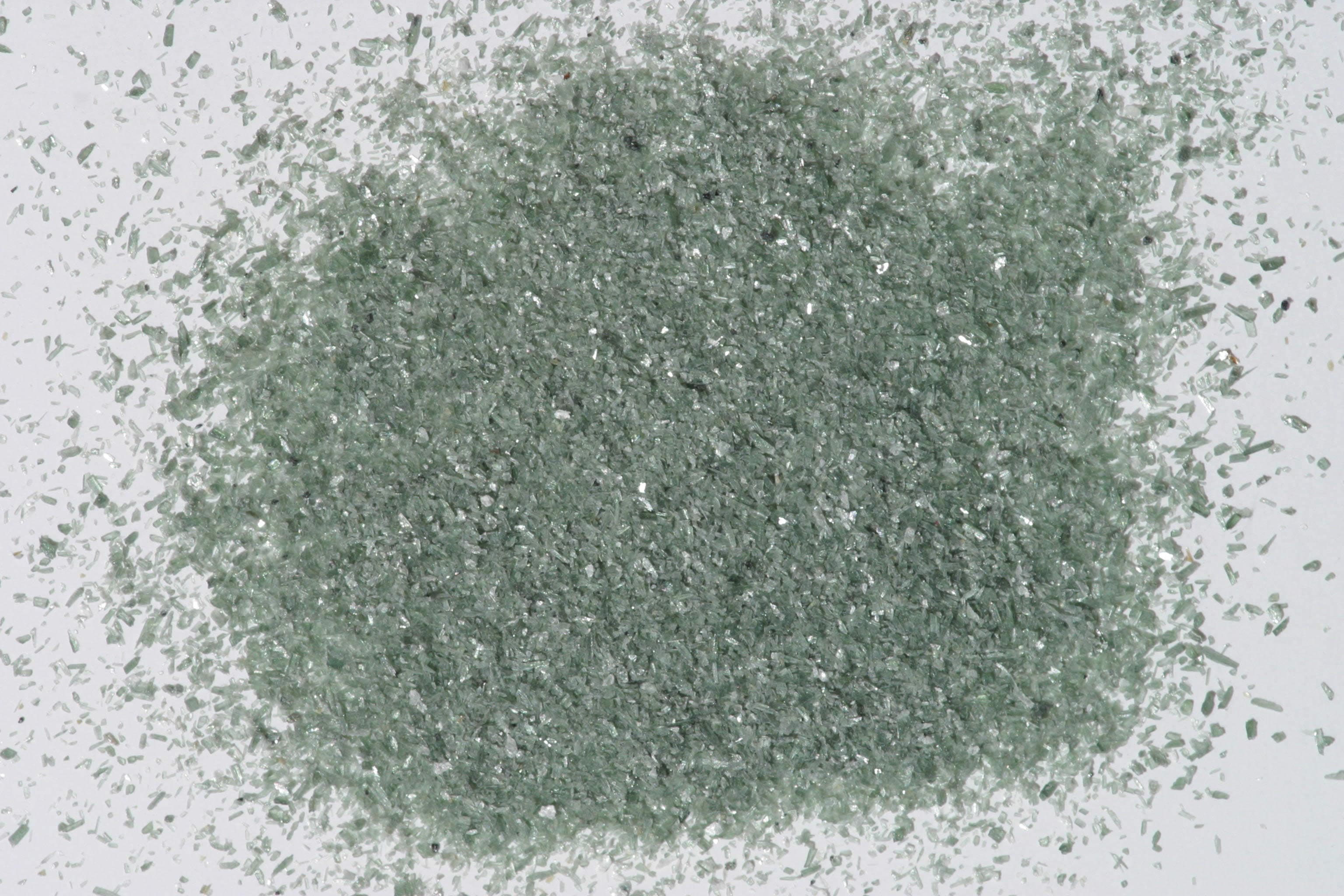
Cassiterite — FTIR1,801 points · 400–4000 cm⁻¹
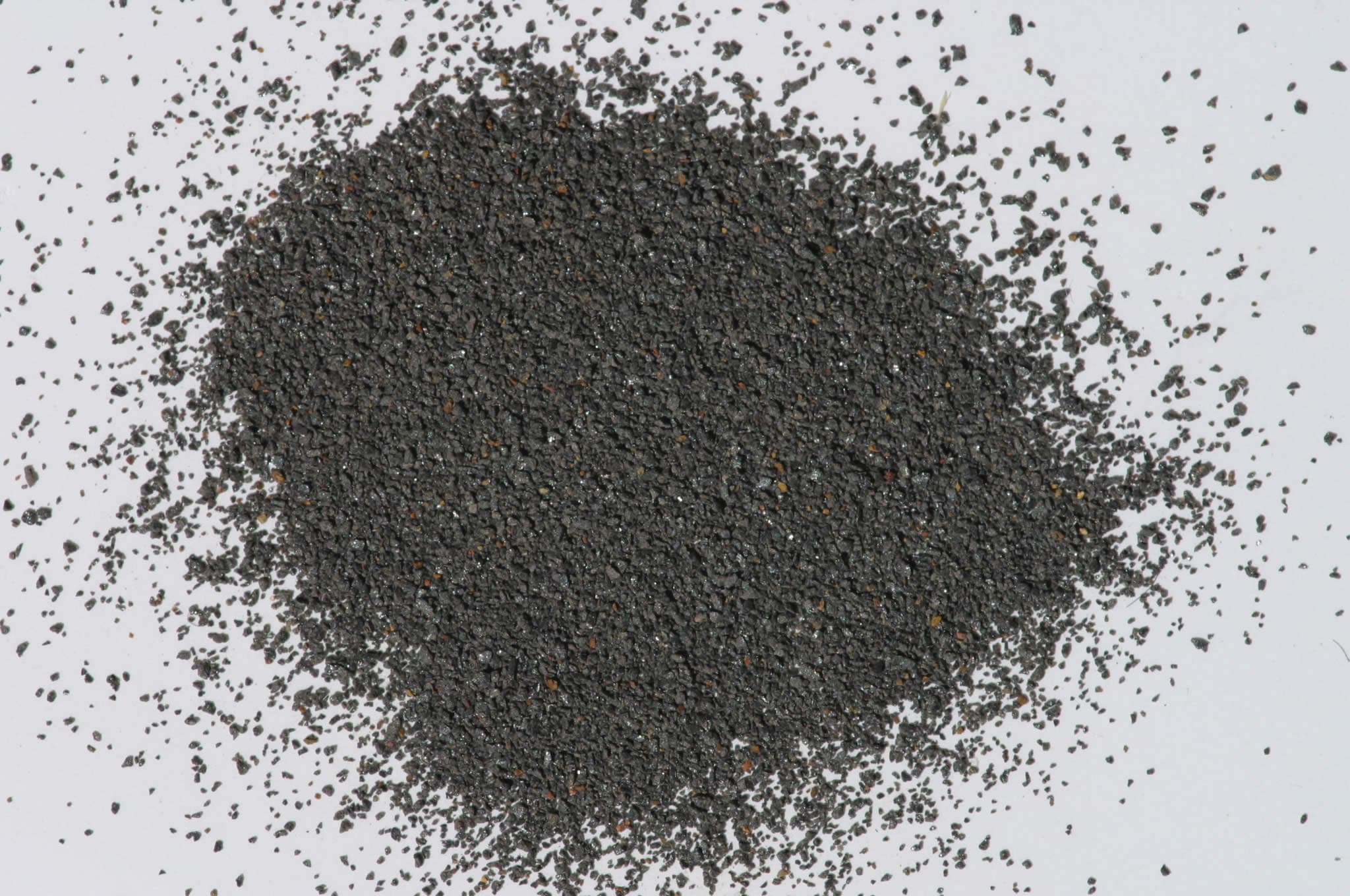
Sample photograph — USGS Spectral Library v7
Spectrum Details
- Modality
- FTIR
- Category
- mineral
- Material Type
- Oxide
- Sample ID
- HS279.1B, HS279.2B, HS279.3B, HS279.4B
- Collection Locality
- Nigeria
- Spectral Purity
- 1c2_3_4_ # Cassiterite HS279.1B # 1= 0.2-3, 2= 1.5-6, 3= 6-25, 4= 20-150 microns SPECTRAL_PURITY: 1c2_3_4_ # Cassiterite HS279.2B # 1= 0.2-3, 2= 1.5-6, 3= 6-25, 4= 20-150 microns SPECTRAL_PURITY: 1c2b3b4b # Cassiterite HS279.3B # 1= 0.2-3, 2= 1.5-6, 3= 6-25, 4= 20-150 microns SPECTRAL_PURITY: 1c2_3_4_ # Cassiterite HS279.4B # 1= 0.2-3, 2= 1.5-6, 3= 6-25, 4= 20-150 microns
- Composition / XRD
- None # XRF, EPMA, ICP(Trace), WChem
- Sample Description
- Close to SnO2 with Sn 78.6%, O 21.4%. Small amounts of Fe^+3 may be present and lesser amounts of Nb and Ta substitute for Sn. The structure is that of rutile. "O-2. Cassiterite. Nigeria (279B). Cassiterite, SnO2, is the most important ore of tin. It is often found in hydrothermal veins or pegmatites, but also forms as a result of secondary processes in the oxidation zone of weathered tin deposits. Ferric iron is usually present as well as small amounts of tantalum and niobium (columbium). Because features due to the Sn^2+ ion occur only in the ultraviolet, it is the presence of impurities which color the cassiterite so that it is commonly reddish brown to almost black. This particular sample is a dark reddish brown massive variety, with inclusions of limonite and quartz. The fall-off in reflectivity of this sample toward the blue we attribute to the presence of iron (0.2% by weight), which produces a tailing off of the absorption edge of the conduction band due to extrinsic absorption. Near-infrared iron bands, which are seen in other minerals in this series, are not displayed by cassiterite, because the iron is not in an octahedral site. In addition, the low reflectivity in the 1µ region would tend to quench any bands, such as should be displayed by a limonitic contaminant. The principal effect of this contaminant is seen in the largest particle size range, which has a slightly higher reflectivity than the 74- 250µ size range. Inspection of the 250-1200µ sample reveals that light colored limonite and quartz inclusions are present as individual grains in this size range, which probably explains its higher reflectivity. The reflectivity of all size ranges is reduced substantially in the infrared after acid leaching has removed most of the ferric oxide." Hunt, G.R., J.W. Salisbury, and C.J. Lenhoff, 1971, Visible and near-infrared spectra of minerals and rocks: III. Oxides and hydroxides. Modern Geology, v. 2, p. 195-205. The .3B spectrum measured on the Beckman goes to 0.2 µm, considerably shorter than the Hunt and others spectrum in the above paper. From the new spectrum, we can see that the features are not those of limonite. However, the limonite impurity may brighten the spectrum slightly. Roger N. Clark Grain size fractions are indicated by the extension after the sample number: .1B = IMAGE_OF_SAMPLE:
- XRD Analysis
- 40 kV - 30 mA, 7.0-9.5 keV File: cstrt279.out, -.mdi Reference: JCPDS 41-1445 Found: cassiterite Quartz sought but not found Comment: Exceptionally sharp peaks indicate high degree of crystallinity and compositional homogeneity. Found all reflections with intensity > 1%. No other reflections present. J.S. Huebner, J. Pickrell, T. Schaefer, written communication 1994
- X Units
- cm⁻¹
- Y Units
- Absorbance
- Data Points
- 1,801
Download
Attribution
USGS Spectral Library Version 7, U.S. Geological Survey
License: Public Domain
DOI: 10.3133/ds1035Analyze in Workbench
Open this spectrum in the SpectralBench workbench for advanced analysis, peak detection, and comparison.
Open Workbench