Dumortierite — FTIR1,801 points · 400–4000 cm⁻¹
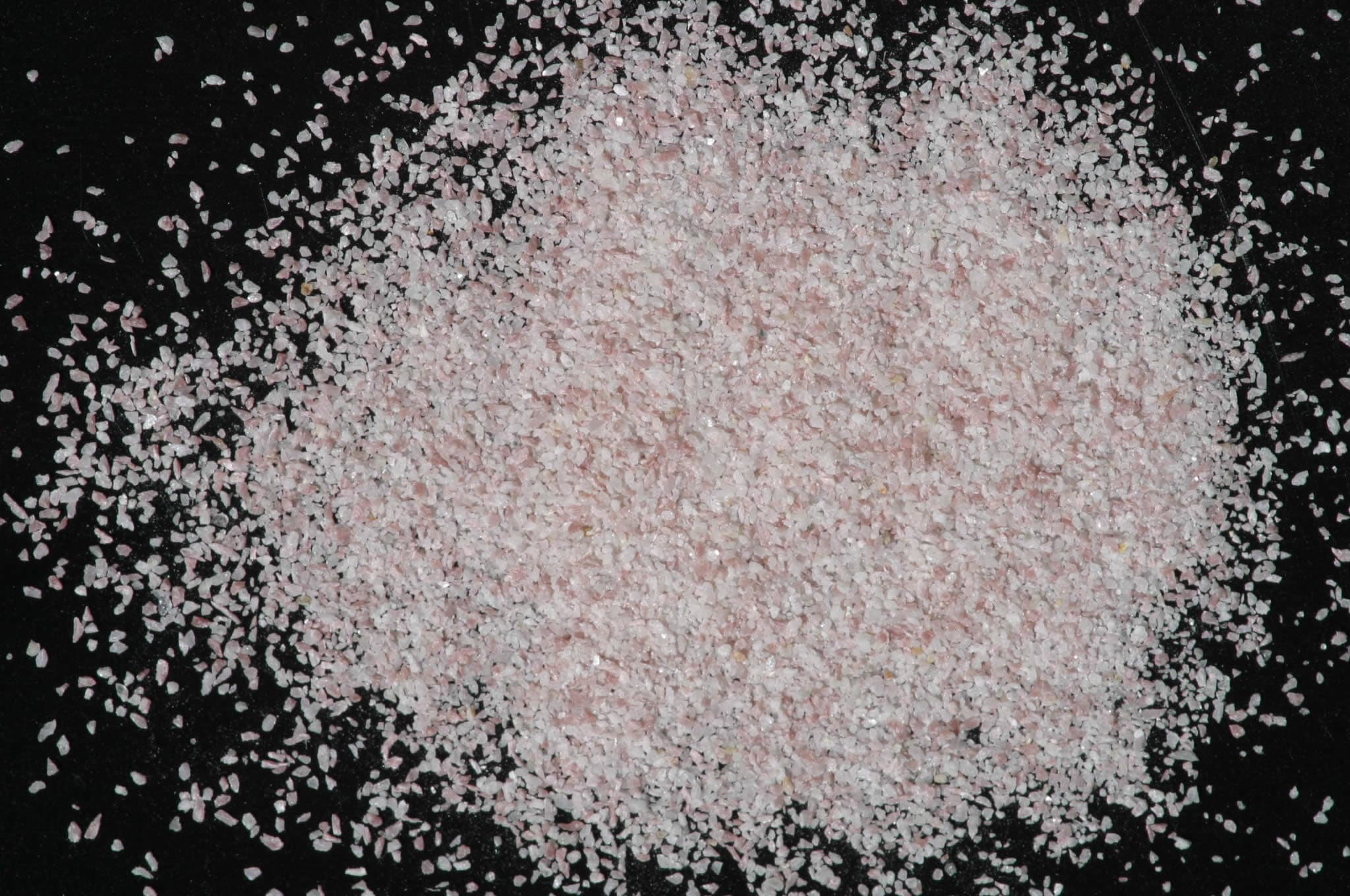
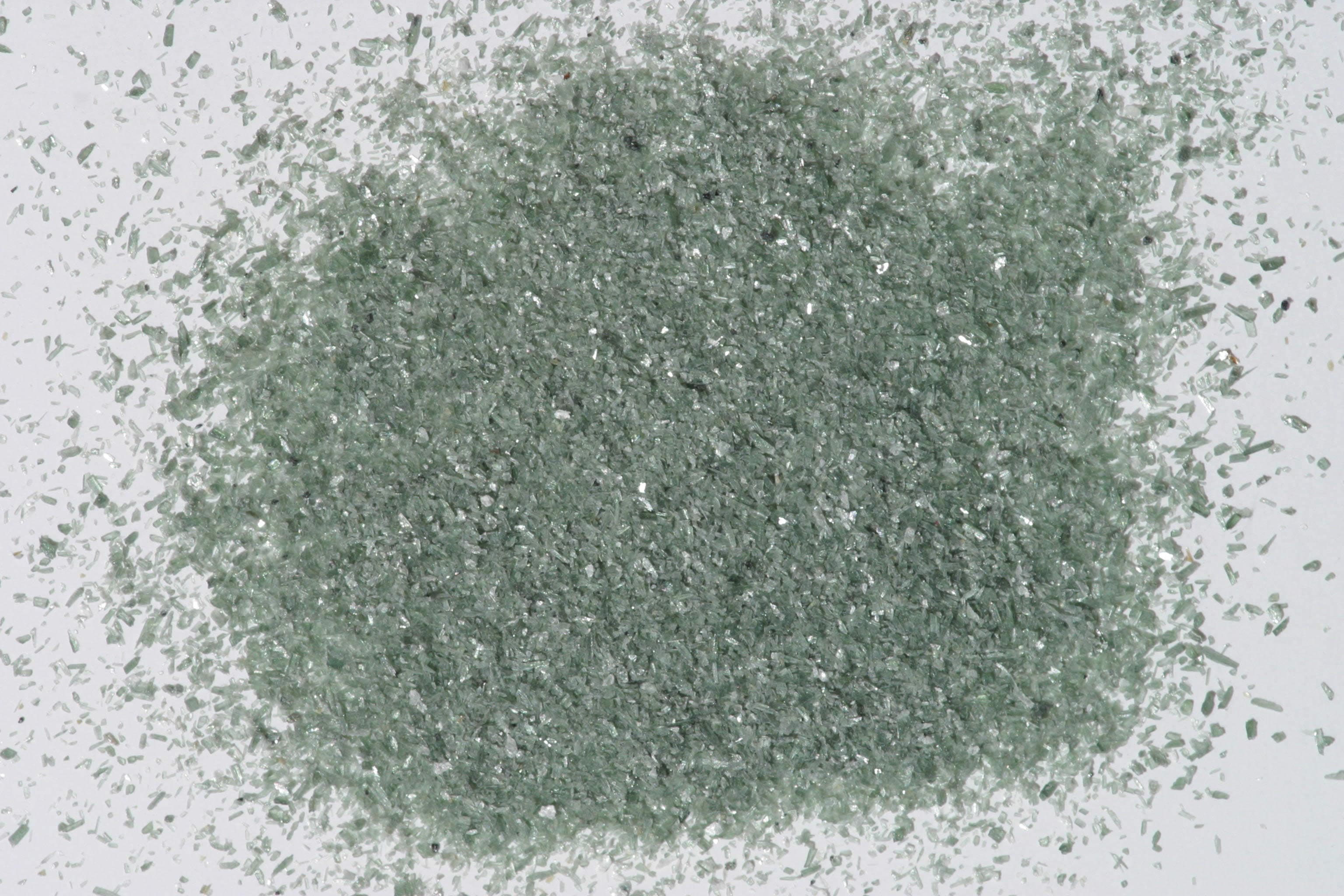
Sample photograph — USGS Spectral Library v7
Spectrum Details
- Modality
- FTIR
- Category
- mineral
- Material Type
- Nesosilicate
- Sample ID
- HS190.3B
- Collection Locality
- Pershing, County, NV
- Spectral Purity
- 1c2c3d4d # 1= 0.2-3, 2= 1.5-6, 3= 6-25, 4= 20-150 microns
- Composition / XRD
- None # XRF, EPMA, ICP(Trace), WChem
- Sample Description
- "Strong absorption feature near 0.5µm is due to pi-pi transition in the boron-oxygen triangle. OH bands occur at 1.4, 2.2 and 2.6 µm." Hunt, G.R., J.W. Salisbury, 1970, Visible and near-infrared spectra of minerals and rocks: I. Silicate minerals. Modern Geology, v. 1, p. 283-300. Grain size fractions are indicated by the extension after the sample number: .3B = 74-250 µm IMAGE_OF_SAMPLE:
- XRD Analysis
- 40 kV - 30 mA,6.5 -9.5 keV File: dumor190_mdi, *.out; dumr190b_mdi, *.out (smear mounts on quartz plates) References: Huebner's reference patterns; Borg and Smith (1969); JCPDS #7-71 Found: Quartz, minor dumortierite, minor additional phase(s) Comment: Sharp peaks suggest high degree of crystallinity and compositional heterogeneity. The dumortierite pattern agrees well with that of hand-picked acicular lavender material from south of Alpine, San Diego County, CA (from the S. S. Huebner collection). HS190.3B shows reflections that are present in the pattern of the Alpine reference material but do not appear in the list of peaks calculated by Borg and Smith. We have not identified the reflections at 9.2, 5.57, 5.01, 4.53, 3.93, 3.53, 3.50, 2.776, 2.002, and 1.488 Angstroms J.S.Huebner, J. Pickrell, T.Schaefer, written communication (1994 USGS)
- X Units
- cm⁻¹
- Y Units
- Absorbance
- Data Points
- 1,801
Download
Attribution
USGS Spectral Library Version 7, U.S. Geological Survey
License: Public Domain
DOI: 10.3133/ds1035Analyze in Workbench
Open this spectrum in the SpectralBench workbench for advanced analysis, peak detection, and comparison.
Open Workbench