Hornblende Fe — FTIR1,801 points · 400–4000 cm⁻¹
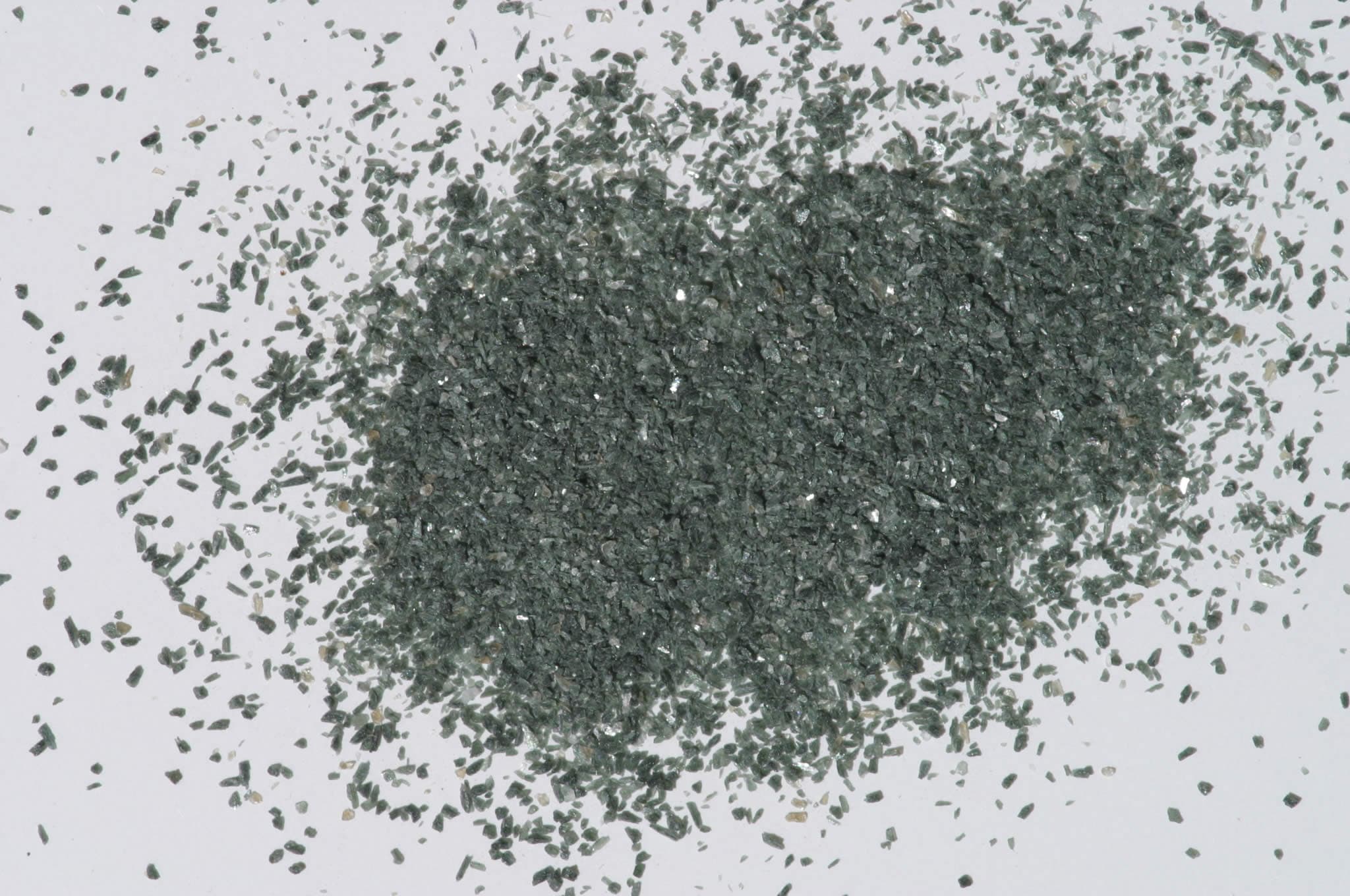
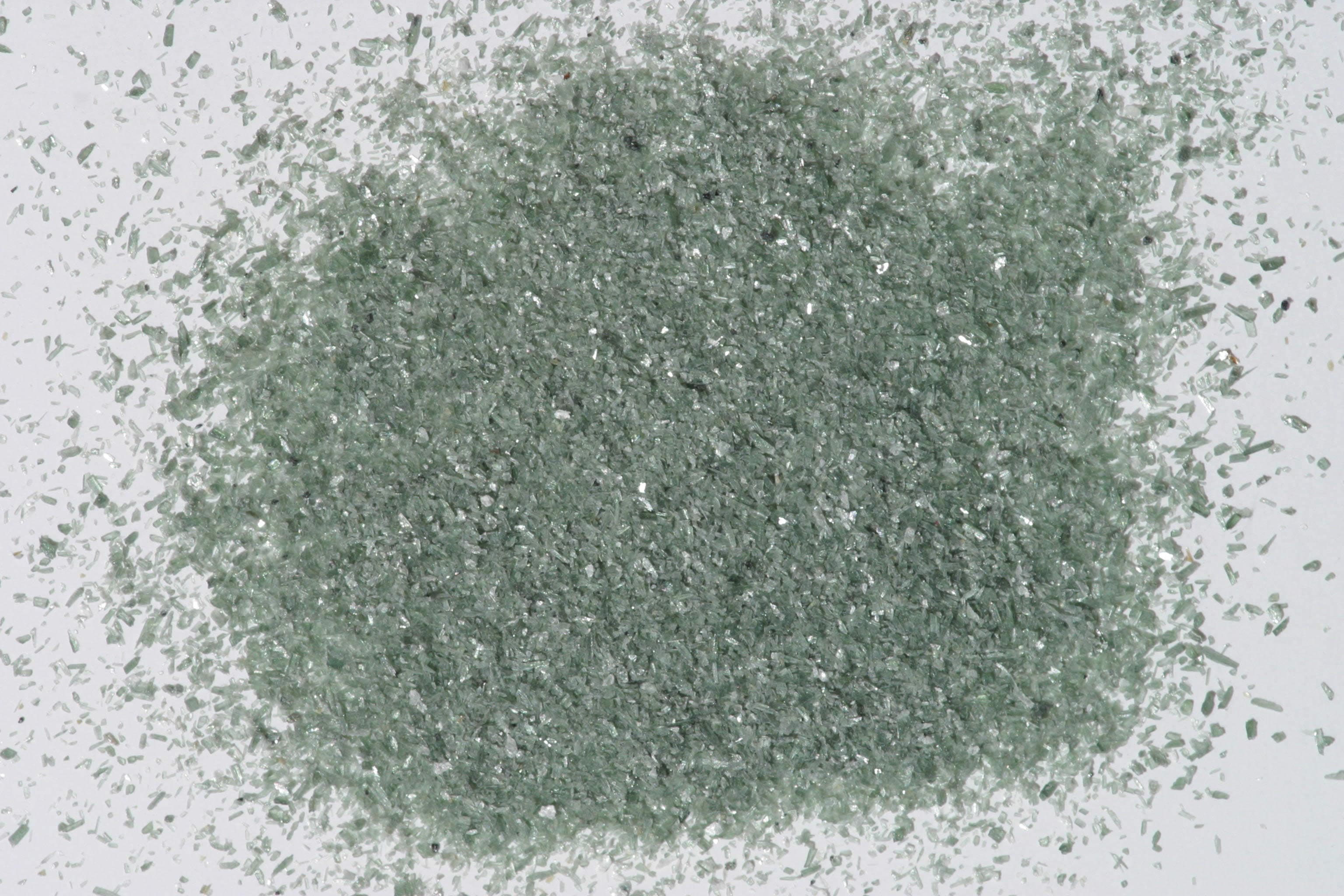
Sample photograph — USGS Spectral Library v7
Spectrum Details
- Modality
- FTIR
- Category
- mineral
- Material Type
- Inosilicate
- Sample ID
- HS115.3B
- Collection Locality
- Brewster, New York
- Spectral Purity
- 1c2c3b4_ # 1= 0.2-3, 2= 1.5-6, 3= 6-25, 4= 20-150 microns
- Composition / XRD
- None # XRF, EPMA, ICP(Trace), WChem COMPOSITION_TRACE:
- Sample Description
- Forms series from Magnesiohornblende to Ferrohornblende. "S-1E. Amphibole, variety Hornblende. Brewster, N.Y., (115B). This is an impure sample, deep green in color. It displays the double band structure in the 0.6 to 1.1 µ region that is typical of the presence of both the ferric and ferrous ion. The presence of a light gray contaminant (muscovite) raises the reflectivity of the sample which is most obvious in the largest size range, and explains the anomalous (lighter?) reflectivity of that size fraction. The hydroxyl bands are not so strong as in tremolite and actinolite, which is typical of hornblende. The very weak bands in the visible near 0.5, 0.45, and 0.5 µ are due to both the ferrous and ferric ions." Hunt, G.R., J.W. Salisbury, 1970, Visible and near-infrared spectra of minerals and rocks: I. Silicate minerals. Modern Geology, v. 1, p. 283-300. Grain size fractions are indicated by the extension after the sample number: .3B = 74-250 µm IMAGE_OF_SAMPLE:
- XRD Analysis
- 40 kV - 30 mA, 6.5-9.5 keV File: hnbld115.out, -.mdi References: Borg and Smith (1969) Found: Clinoamphibole, minor mica, trace chlorite Comment: Pattern matches that of tremolite more closely than hornblende. J.S. Huebner, J. Pickrell, T. Schaefer, written communication(USGS)
- X Units
- cm⁻¹
- Y Units
- Absorbance
- Data Points
- 1,801
Download
Attribution
USGS Spectral Library Version 7, U.S. Geological Survey
License: Public Domain
DOI: 10.3133/ds1035Analyze in Workbench
Open this spectrum in the SpectralBench workbench for advanced analysis, peak detection, and comparison.
Open Workbench