Muscovite — UV-Vis601 points · 200–800 nm
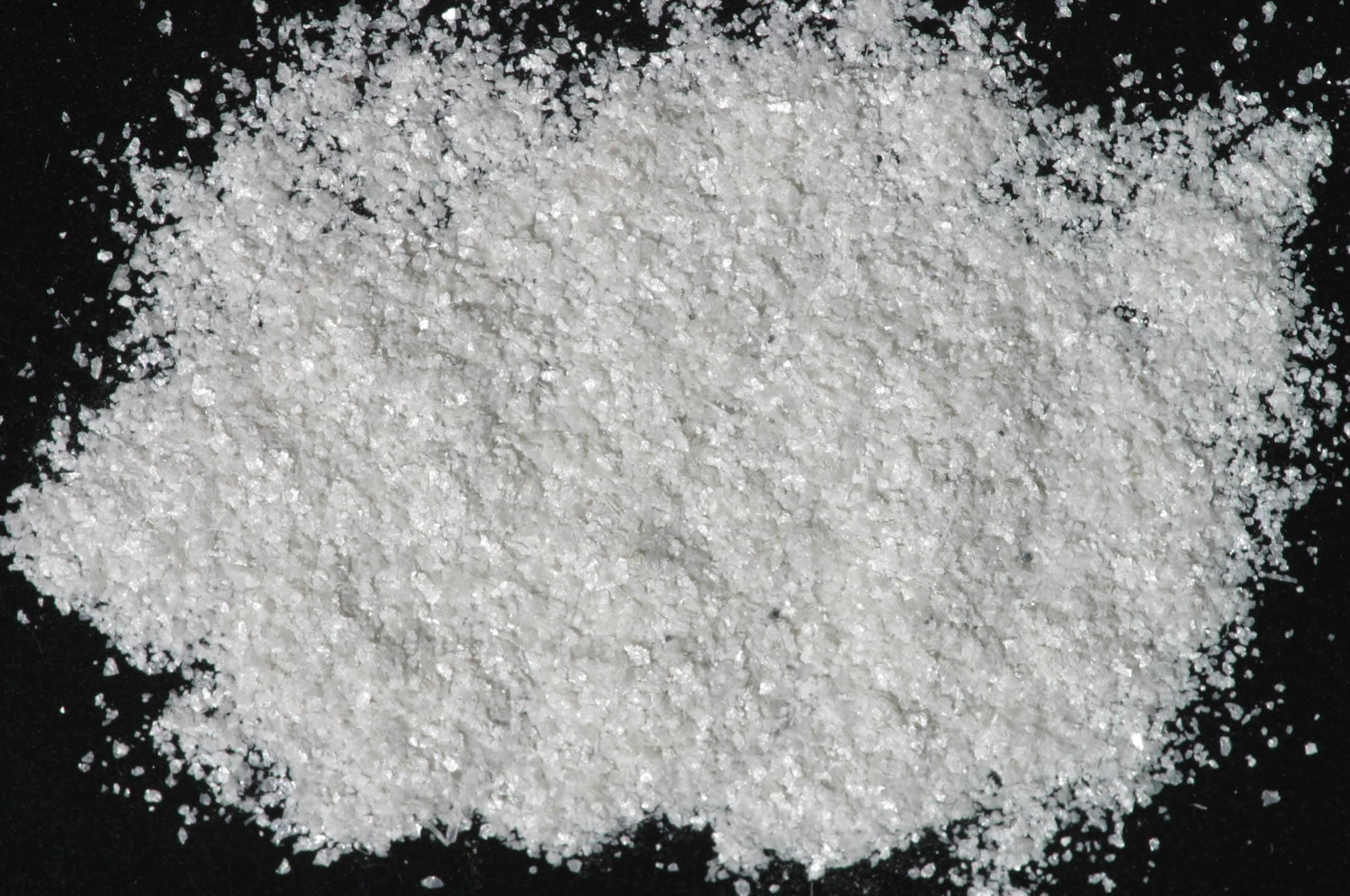
Sample photograph — USGS Spectral Library v7
Spectrum Details
- Modality
- UV-Vis
- Category
- mineral
- Material Type
- Phyllosilicate
- Sample ID
- HS146.1B, HS146.3B, HS146.4B
- Collection Locality
- Fremont County, Colorado
- Spectral Purity
- 1a2_3_4_ # HS146.1B # 1= 0.2-3, 2= 1.5-6, 3= 6-25, 4= 20-150 microns SPECTRAL_PURITY: 1a2a3a4a # HS146.3B # 1= 0.2-3, 2= 1.5-6, 3= 6-25, 4= 20-150 microns SPECTRAL_PURITY: 1a2_3_4_ # HS146.4B # 1= 0.2-3, 2= 1.5-6, 3= 6-25, 4= 20-150 microns
- Composition / XRD
- None # XRF, EPMA, ICP(Trace), WChem COMPOSITION_TRACE: None
- Sample Description
- "P-14 Muscovite 146B--Fremont Co., Colorado. K2Al4(Si6Al2O20)(OH,F)4: Muscovite is one of the most common micas, occurring in acidic rocks, granitic pegmatites, schists etc. It frequently contains small amounts of ferrous and ferric iron, magnesium, manganese, chromium, calcium, sodium, lithium, vanadium and titanium. This spectrum is essentially identical with that of muscovite 24B (see Part I, p. 294, spectrum S-12). The weak broad band near 0.9µ, the very weak sharp feature near 0.44µ and the fall off to the blue are due to a small amount of ferrous iron substituting for aluminum. The near infrared bands due to the hydroxyl ion are essentially identical with those in the lepidolite spectrum, and the explanation is the same." Hunt, G.R., J.W. Salisbury, and C.J. Lenhoff, 1973, Visible and near-infrared spectra of minerals and rocks: VI. Additional silicates. Modern Geology, v. 4, p. 85-106. Grain size fractions are indicated by the extension after the sample number: .1B = IMAGE_OF_SAMPLE:
- XRD Analysis
- Muscovite - pure. (Norma Vergo)
- X Units
- nm
- Y Units
- Cross-section
- Data Points
- 601
Download
Attribution
USGS Spectral Library Version 7, U.S. Geological Survey
License: Public Domain
DOI: 10.3133/ds1035Analyze in Workbench
Open this spectrum in the SpectralBench workbench for advanced analysis, peak detection, and comparison.
Open Workbench