Nephrite — FTIR1,801 points · 400–4000 cm⁻¹
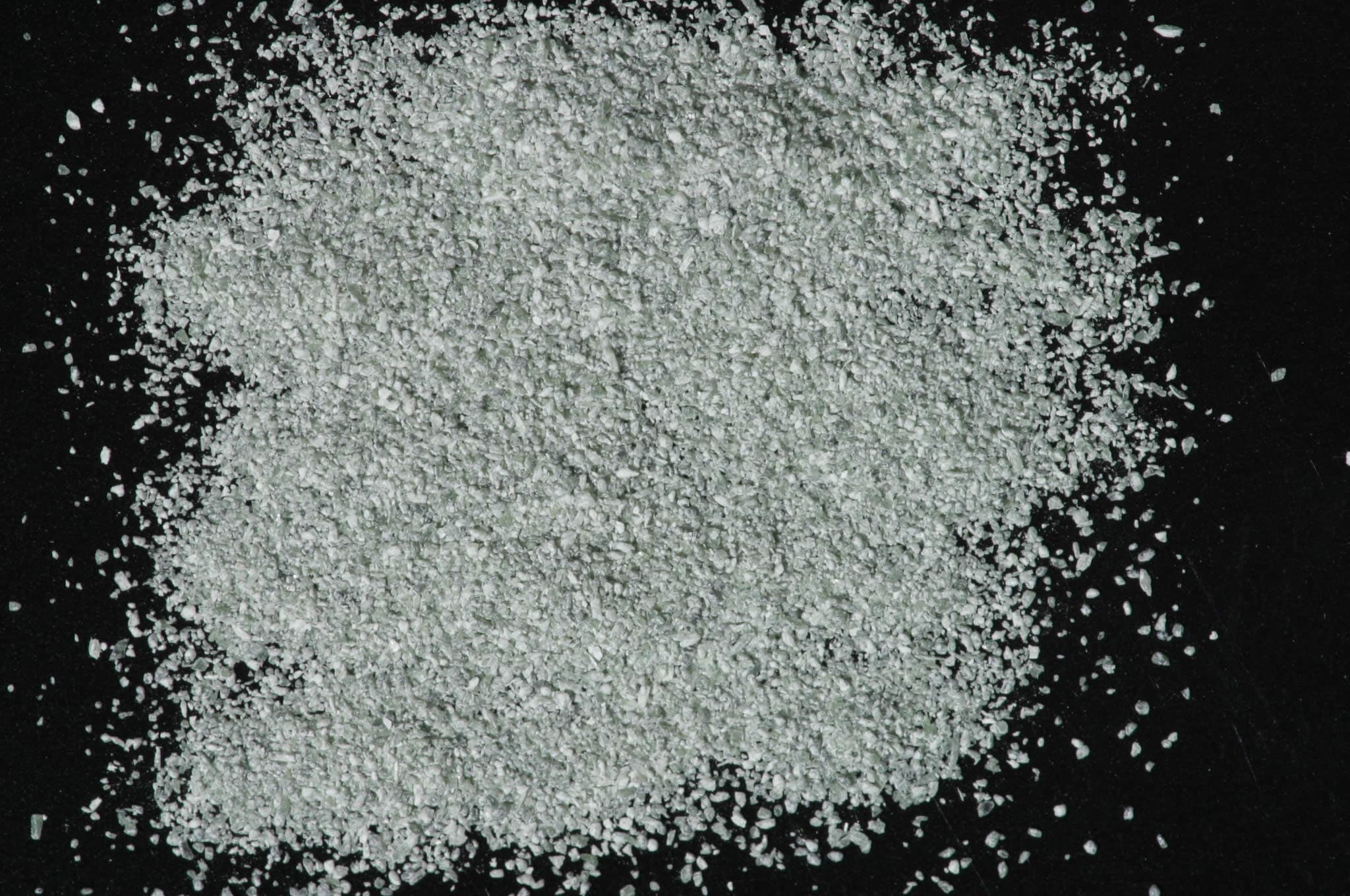
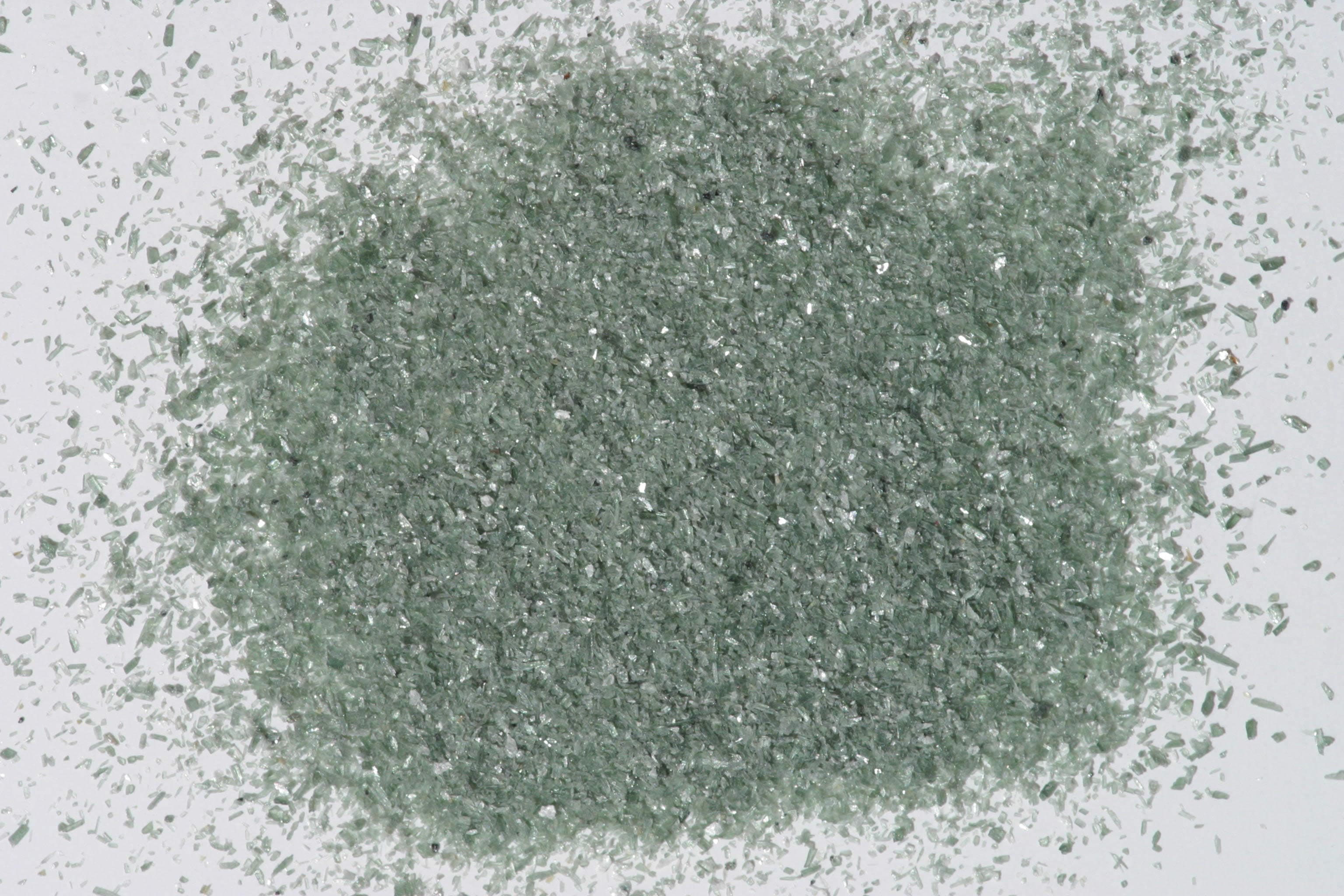
Sample photograph — USGS Spectral Library v7
Spectrum Details
- Modality
- FTIR
- Category
- mineral
- Material Type
- Inosilicate
- Sample ID
- HS296.1B, HS296.3B, HS296.4B
- Collection Locality
- British Columbia
- Spectral Purity
- 1c2_3_4_ # HS296.1B # 1= 0.2-3, 2= 1.5-6, 3= 6-25, 4= 20-150 microns SPECTRAL_PURITY: 1c2c3b4_ # HS296.3B # 1= 0.2-3, 2= 1.5-6, 3= 6-25, 4= 20-150 microns SPECTRAL_PURITY: 1c2_3_4_ # HS296.4B # 1= 0.2-3, 2= 1.5-6, 3= 6-25, 4= 20-150 microns
- Composition / XRD
- None # XRF, EPMA, ICP(Trace), WChem COMPOSITION_TRACE: None
- Sample Description
- "I-19 Nephrite 296B--British Columbia: Nephrite is a tough compact variety of either tremolite or actinolite, which is used as the second source of gem quality jade (see inosilicate, I-9 for other source, jadeite). This sample contains magnetite as an impurity, which contributes to its low reflectivity, but the ferric and ferrous features are still apparent at 0.7µ and 1.0µ, as is the accompanying fall off to the blue. The hydroxyl features are quite evident at 1.4µ and 2.33µ with a small feature at 1.9µ indicating including water." Hunt, G.R., J.W. Salisbury, and C.J. Lenhoff, 1973, Visible and near-infrared spectra of minerals and rocks: VI. Additional silicates. Modern Geology, v. 4, p. 85-106. Grain size fractions are indicated by the extension after the sample number: .1B = IMAGE_OF_SAMPLE:
- XRD Analysis
- 40 kV - 30 mA, 6.5-9.5 keV File: neph296.out, -.mdi References: JCPDS # 13-347; Huebner's reference patterns Found: chlorite, Ca-amphibole, unindexed weak reflection at 1.804 Angstroms. Comment: Some strong chlorite basal intensities present, but the (001) and (003) are weak. Fairly well crystallized tremolite is observed with a very good match to the JCPDS pattern. J.S.Huebner, J. Pickrell, T. Schaefer, written communication(USGS 1994)
- X Units
- cm⁻¹
- Y Units
- Absorbance
- Data Points
- 1,801
Download
Attribution
USGS Spectral Library Version 7, U.S. Geological Survey
License: Public Domain
DOI: 10.3133/ds1035Analyze in Workbench
Open this spectrum in the SpectralBench workbench for advanced analysis, peak detection, and comparison.
Open Workbench