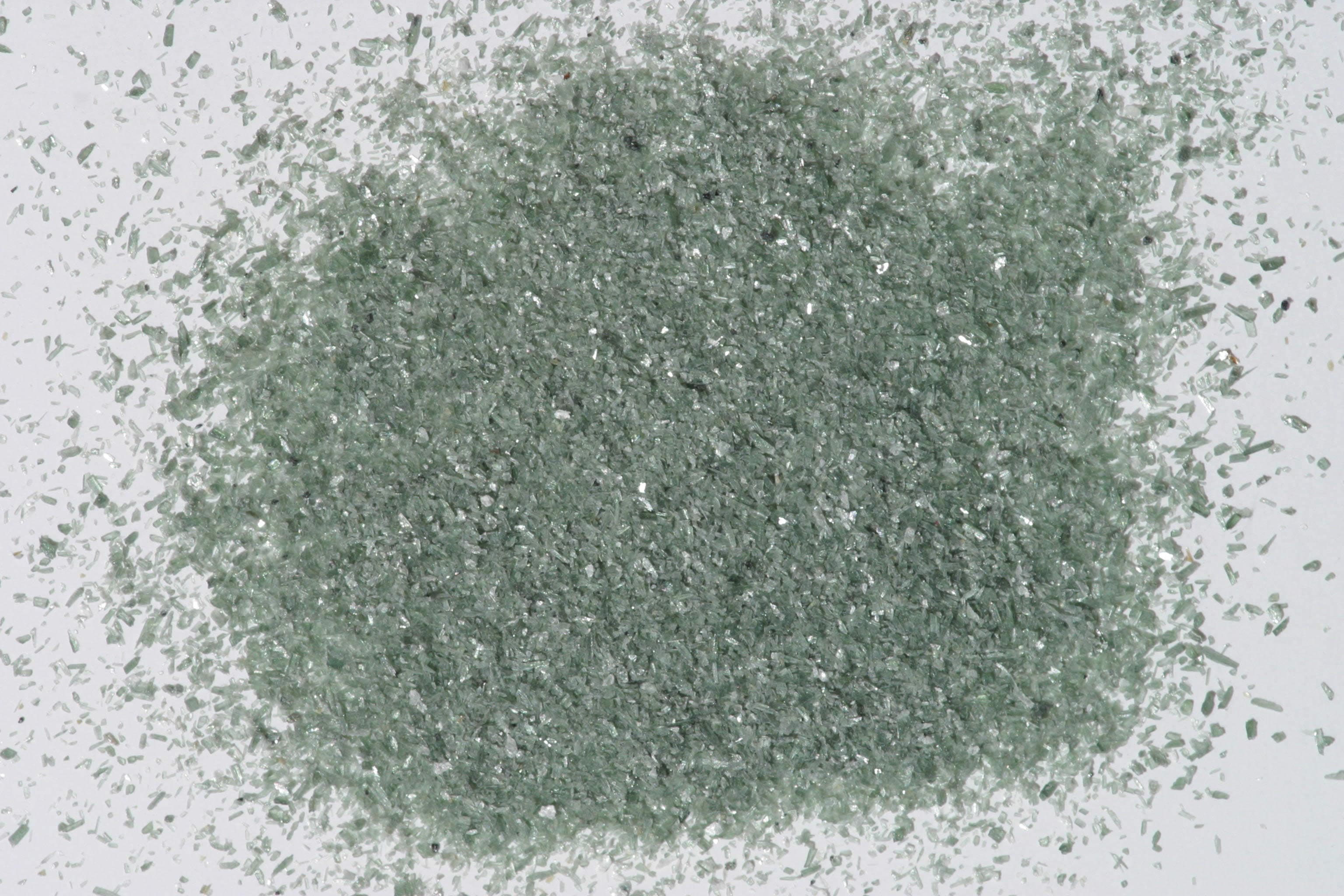
Pyrrhotite — FTIR1,801 points · 400–4000 cm⁻¹
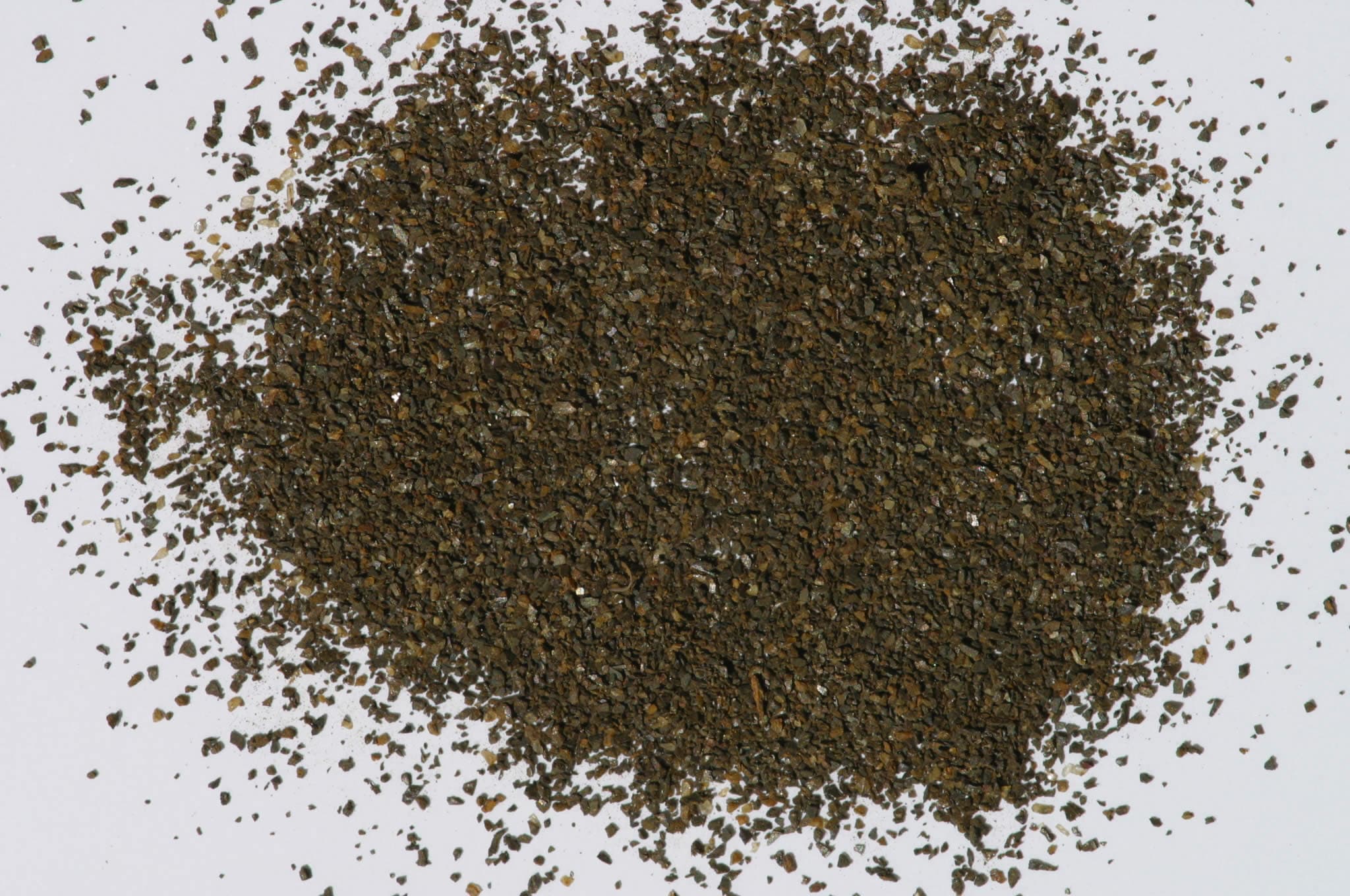
Sample photograph — USGS Spectral Library v7
Spectrum Details
- Modality
- FTIR
- Category
- mineral
- Material Type
- Sulfide
- Sample ID
- HS269.1B, HS269.2B, HS269.3B, HS269.4B
- Collection Locality
- Ontario
- Spectral Purity
- 1b2_3_4_ # HS269.1B # 1= 0.2-3, 2= 1.5-6, 3= 6-25, 4= 20-150 microns SPECTRAL_PURITY: 1b2_3_4_ # HS269.2B # 1= 0.2-3, 2= 1.5-6, 3= 6-25, 4= 20-150 microns SPECTRAL_PURITY: 1c2c3c4u # HS269.3B # 1= 0.2-3, 2= 1.5-6, 3= 6-25, 4= 20-150 microns SPECTRAL_PURITY: 1c2_3_4_ # HS269.4B # 1= 0.2-3, 2= 1.5-6, 3= 6-25, 4= 20-150 microns
- Composition / XRD
- None # XRF, EPMA, ICP(Trace), WChem COMPOSITION_TRACE:
- Sample Description
- "SS-20. Pyrrhotite. Ontario (269B). Pyrrhotite, Fe1-xS, is a common accessory mineral of igneous rocks, particularly basic ones. It is often found in high temperature veins and occasionally in pegmatites. It occurs in large masses associated with other sulphides, especially nickel sulphides, of uncertain origin. This sample is nickeliferous, containing a small amount of pentlandite (?), together with a very small amount of anhydrite. It displays opaque and spectrally featureless behavior throughout this spectral range." Hunt, G.R., J.W. Salisbury, and C.J. Lenhoff, 1971, Visible and near-infrared spectra of minerals and rocks: IV. Sulphides and sulphates. Modern Geology, v. 3, p. 1-14. Grain size fractions are indicated by the extension after the sample number: .1B = IMAGE_OF_SAMPLE:
- XRD Analysis
- 40 kV - 30 mA, 7.3-9.5 keV File: pyrht269.out, -.mdi References: JCPDS # 24-200, 29-724, 29-723 Found: pyrrhotite, very weak additional phase(s) J.S.Huebner, J.Pickrell, T. Schaefer, written communication (1994 USGS) Comment: Broader peaks with multiple alpha1 suggest heterogeneity between the different pyrrhotite polytypes. Pyrrhotite 3T and 5T provide the best match on major in intensities. There are seven broad, very weak unindexed reflections that do not correlate with any of the pyrrhotite polytypes suggesting an additional phase. Szomolnokite (Major), Hydroniumjarosite(Major),Sulfer(minor),Pyrrhotite(minor), Titanite (trace). Sutley April, 2005.
- X Units
- cm⁻¹
- Y Units
- Absorbance
- Data Points
- 1,801
Download
Attribution
USGS Spectral Library Version 7, U.S. Geological Survey
License: Public Domain
DOI: 10.3133/ds1035Analyze in Workbench
Open this spectrum in the SpectralBench workbench for advanced analysis, peak detection, and comparison.
Open Workbench