Serpentine HS8.3B — FTIR1,801 points · 400–4000 cm⁻¹
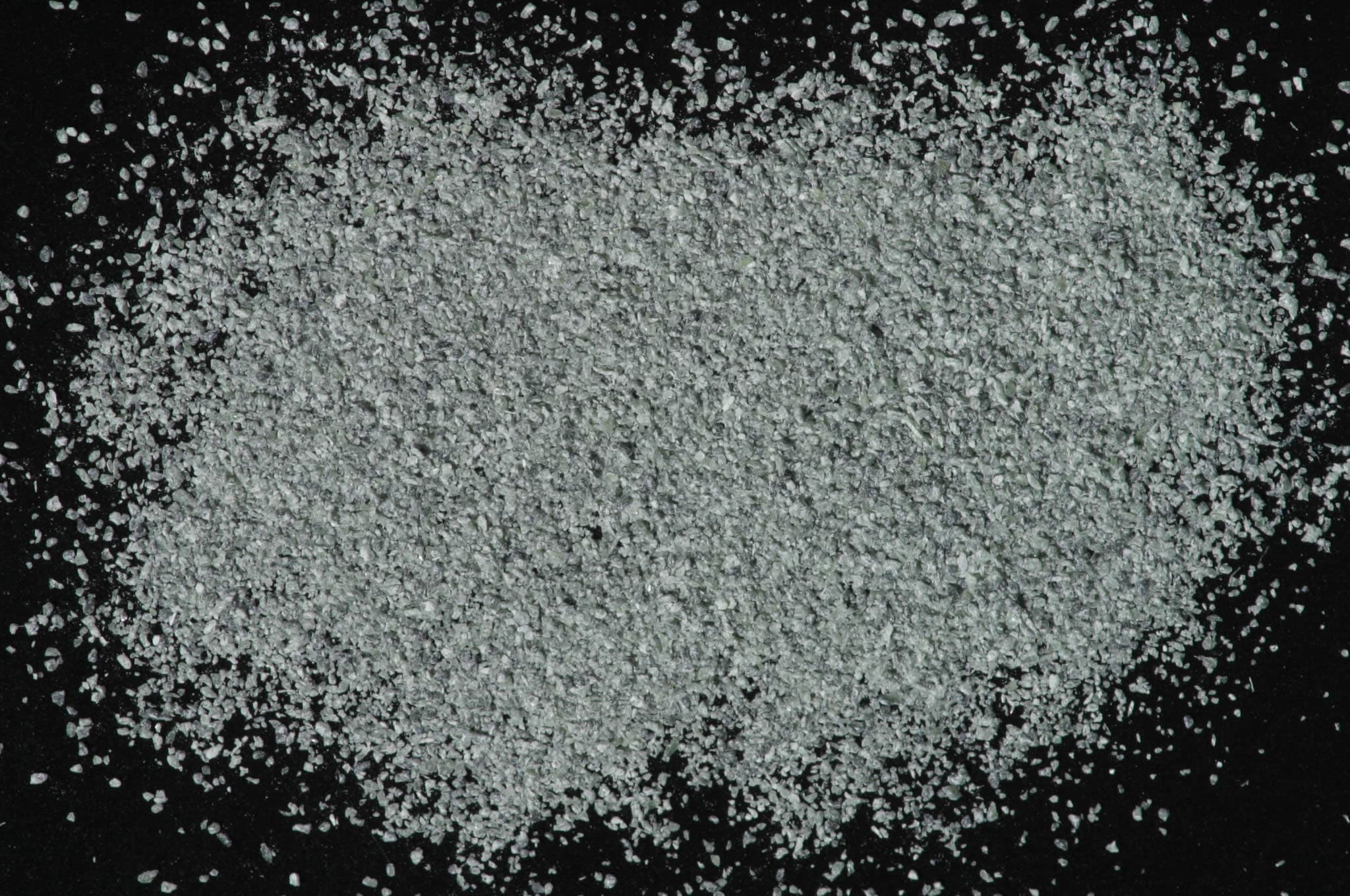
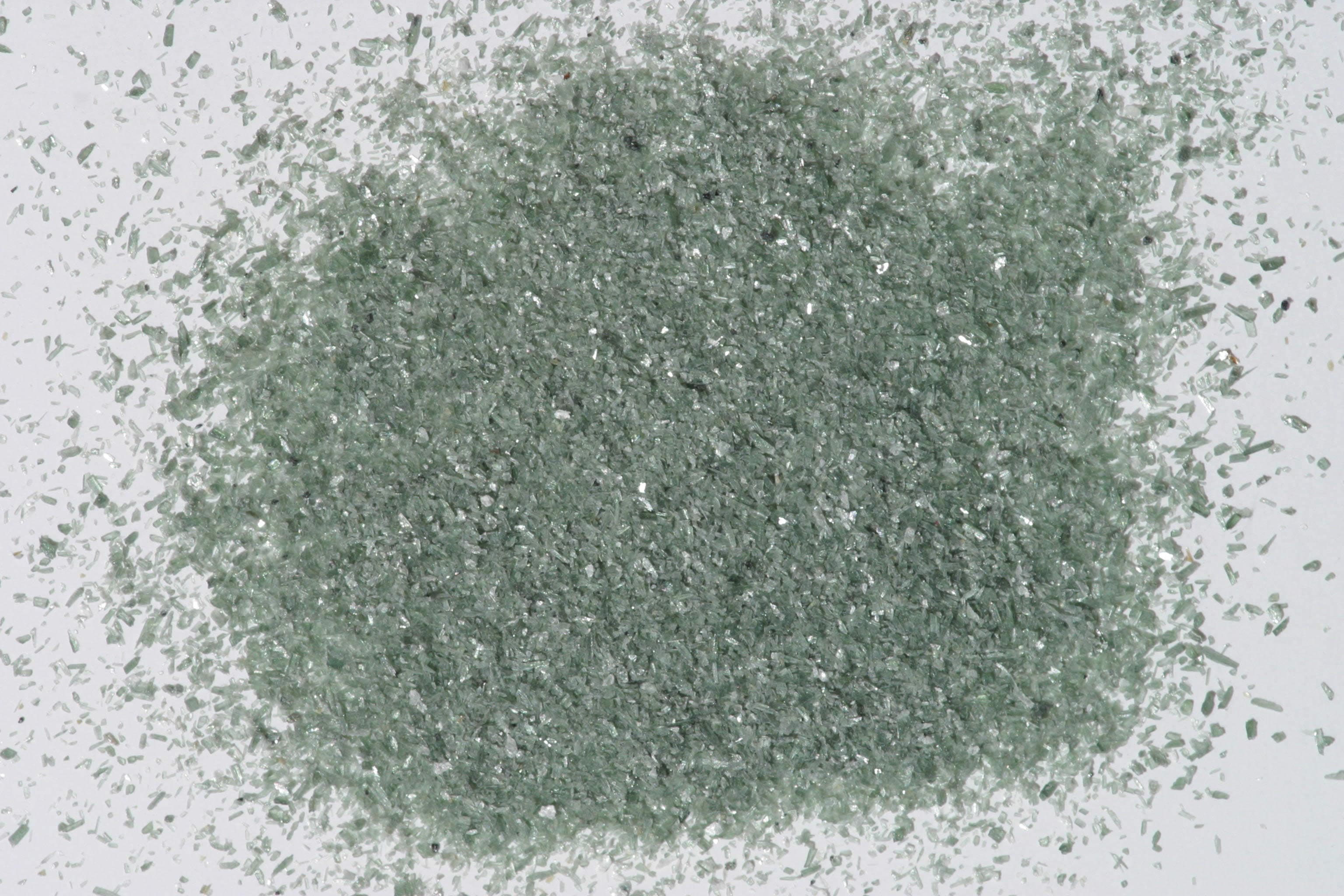
Sample photograph — USGS Spectral Library v7
Spectrum Details
- Modality
- FTIR
- Category
- mineral
- Material Type
- Phyllosilicate
- Sample ID
- HS8.1B, HS8.2B, HS8.3B, HS8.4B, HS8.6
- Collection Locality
- Cardiff, Missouri
- Spectral Purity
- 1c2_3_4_ # HS8.1B # 1= 0.2-3, 2= 1.5-6, 3= 6-25, 4= 20-150 microns SPECTRAL_PURITY: 1c2_3_4_ # HS8.2B # 1= 0.2-3, 2= 1.5-6, 3= 6-25, 4= 20-150 microns SPECTRAL_PURITY: 1c2c3b4c # HS8.3B # 1= 0.2-3, 2= 1.5-6, 3= 6-25, 4= 20-150 microns SPECTRAL_PURITY: 1c2_3_4_ # HS8.4B # 1= 0.2-3, 2= 1.5-6, 3= 6-25, 4= 20-150 microns SPECTRAL_PURITY: 1c2_3_4_ # HS8.6 # 1= 0.2-3, 2= 1.5-6, 3= 6-25, 4= 20-150 microns
- Composition / XRD
- None # XRF, EPMA, ICP(Trace), WChem COMPOSITION_TRACE:
- Sample Description
- "S-19. Serpentine. Cardiff, Mo. (8). Serpentine is a hydrous secondary mineral, typically an alteration product of olivine, pyroxene, or amphibole. Its composition is Mg3Si2O5(OH)4, but ferrous iron and nickel may be present in small amount. Weak ferric and ferrous ion bands are displayed by this sample near 0.7 and 1.0µ respectively, which may be original, or due to the presence of a small amount of unaltered amphibole. The bands near 1.4µ and at wavelengths longer than 1.9µ are hydroxyl bands. As in the case of some amphiboles and pyroxenes, this sample displays a peak near 0.5µ in the visible due to the combined effect of the ferric ion band in the near-infrared and the fall-off in the blue." Hunt, G.R., J.W. Salisbury, 1970, Visible and near-infrared spectra of minerals and rocks: I. Silicate minerals. Modern Geology, v. 1, p. 283-300. Grain size fractions are indicated by the extension after the sample number: .1B = IMAGE_OF_SAMPLE:
- XRD Analysis
- Serpentine is a subgroup classification from the Kaolinite-Serpentine Group. Best fit is for antigorite with a minor amount of magnesite. Should check chemistry to confirm antigorite and magnesite. B. Benzel.
- X Units
- cm⁻¹
- Y Units
- Absorbance
- Data Points
- 1,801
Download
Attribution
USGS Spectral Library Version 7, U.S. Geological Survey
License: Public Domain
DOI: 10.3133/ds1035Analyze in Workbench
Open this spectrum in the SpectralBench workbench for advanced analysis, peak detection, and comparison.
Open Workbench