Sphalerite — NIR2,126 points · 4000–12500 cm⁻¹
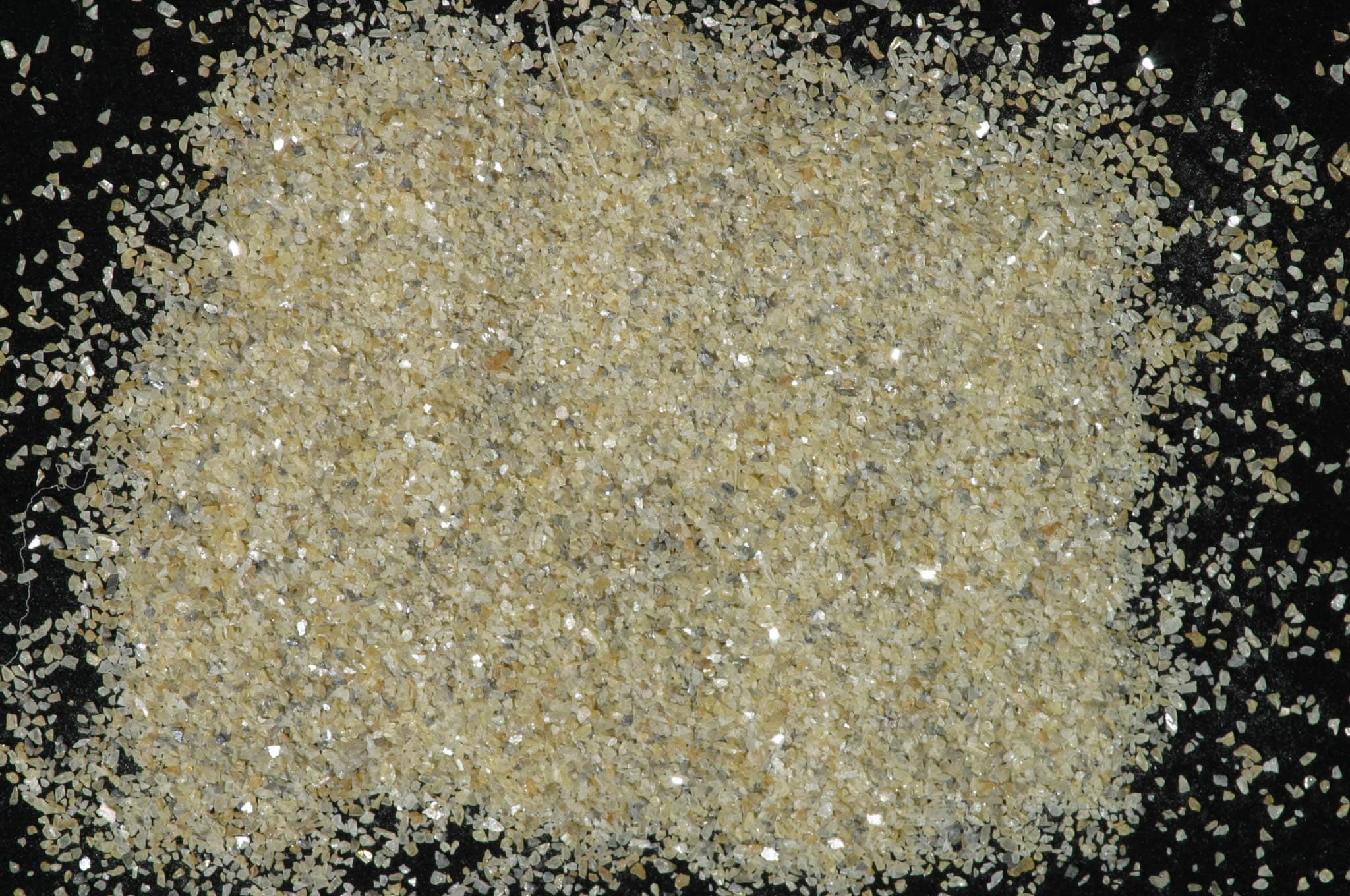
Sample photograph — USGS Spectral Library v7
Spectrum Details
- Modality
- NIR
- Category
- mineral
- Material Type
- Sulfide
- Sample ID
- HS136.3B, HS136.6
- Collection Locality
- Summit County, Colorado
- Spectral Purity
- 1b2b3u4u # HS136.3B # 1= 0.2-3, 2= 1.5-6, 3= 6-25, 4= 20-150 microns SPECTRAL_PURITY: 1b2_3_4_ # HS136.6 # 1= 0.2-3, 2= 1.5-6, 3= 6-25, 4= 20-150 microns
- Composition / XRD
- None # XRF, EPMA, ICP(Trace), WChem COMPOSITION_TRACE:
- Sample Description
- "SS-22. Sphalerite. Summit County, Colorado (136B). Sphalerite, ZnS, is the most important ore of zinc. It is typically deposited in veins by low temperature hydrothermal solutions. Sphalerite is colorless when pure, but naturally occurring samples are usually brown or black, the darkening occurring as iron substitutes for zinc. This sample is a resinous brown color, typical of sphalerite's. Zinc sulphide is a well known semiconductor material and, when doped with impurity ions, is a conventional phosphor. Doping with copper produces blue and /or green luminescence centers, while manganese produces orange-yellow centers. The presence of iron in the zinc sulphide acts as a luminescence killer. The macroscopic pure zinc sulphide lattice displays negligible absorption down to about 0.35µ, where the sharp absorption edge indicates the beginning of the conduction band. This sample of sphalerite does not display the near-infrared bands typical of either ferrous or ferric ions in other samples, because the iron is not in an octahedral site. It does show a rapid fall-off in reflectivity between 0.6µ and 0.35µ. This tail to the absorption edge of pure ZnS is probably caused by defects in the periodic lattice and boundary effects, as well as to some extrinsic absorption due to the impurity iron. The fall-off in reflectivity between 2.0 and 2.5µ is an unusual feature, which we have only noticed before in aluminum compounds. The explanation given there cannot be applied here. The valence band of zinc sulphide does not extend to such short wavelength and so we tentatively suggest that it may be due to the excitation of electrons from the valence band to some fundamental level of an impurity ion." Hunt, G.R., J.W. Salisbury, and C.J. Lenhoff, 1971, Visible and near-infrared spectra of minerals and rocks: IV. Sulphides and sulphates. Modern Geology, v. 3, p. 1-14. Grain size fractions are indicated by the extension after the sample number: .3B = 74-250 µm .6 = cut slab IMAGE_OF_SAMPLE:
- XRD Analysis
- 40 kV - 30 mA, 6.5-9.8 keV File: sphlt136.out, -.mdi References: JCPDS #5-566 Found: sphalerite, minor additional phase Comments: Sphalerite is the major phase with 5.41 Angstroms, consistent with pure (iron-free) ZnS. There are 5 unindexed reflections: 4 very small peaks at 3.52, 3.48, 2.12, and 1.98 Angstroms and moderately sized sharp peak at 3.05 Angstroms. CaCO3 was sought optically but not found.
- X Units
- cm⁻¹
- Y Units
- Absorbance
- Data Points
- 2,126
Download
Attribution
USGS Spectral Library Version 7, U.S. Geological Survey
License: Public Domain
DOI: 10.3133/ds1035Analyze in Workbench
Open this spectrum in the SpectralBench workbench for advanced analysis, peak detection, and comparison.
Open Workbench