Spodumene — NIR2,126 points · 4000–12500 cm⁻¹
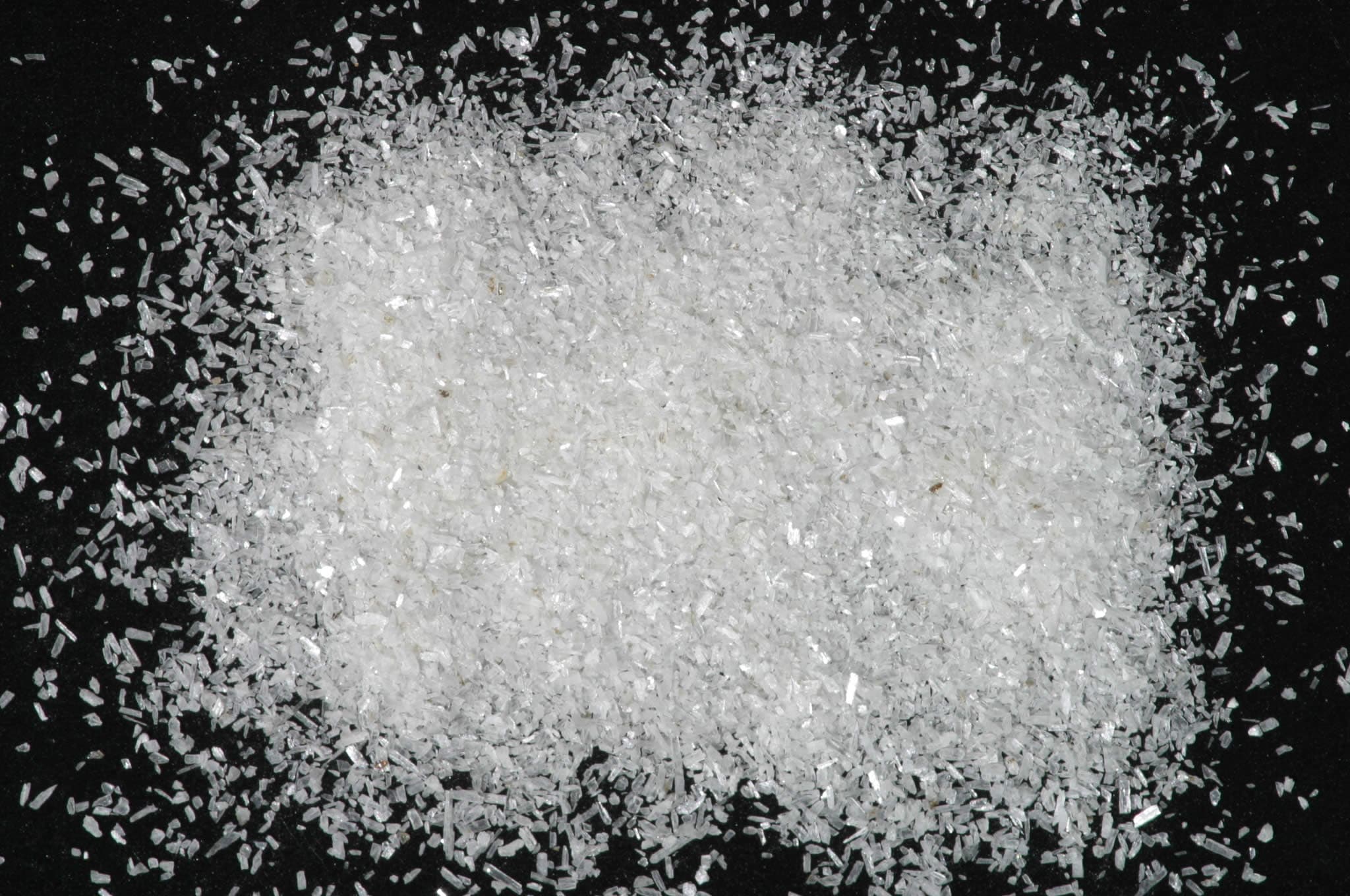
Sample photograph — USGS Spectral Library v7
Spectrum Details
- Modality
- NIR
- Category
- mineral
- Material Type
- Inosilicate
- Sample ID
- HS210.1B, HS210.2B, HS210.3B, HS210.4B
- Collection Locality
- Afghanistan
- Spectral Purity
- 1c2_3_4_ # HS210.1B # 1= 0.2-3, 2= 1.5-6, 3= 6-25, 4= 20-150 microns SPECTRAL_PURITY: 1c2_3_4_ # HS210.2B # 1= 0.2-3, 2= 1.5-6, 3= 6-25, 4= 20-150 microns SPECTRAL_PURITY: 1c2c3c4_ # HS210.3B # 1= 0.2-3, 2= 1.5-6, 3= 6-25, 4= 20-150 microns SPECTRAL_PURITY: 1c2_3_4_ # HS210.4B # 1= 0.2-3, 2= 1.5-6, 3= 6-25, 4= 20-150 microns
- Composition / XRD
- None # XRF, EPMA, ICP(Trace), WChem COMPOSITION_TRACE:
- Sample Description
- "I-7 Spodumene 210B-Afganistan. LiAlSi2O6: Spodumene is a characteristic mineral of lithium-rich granite pegmatites. It usually does not have a wide range of composition, but this sample contains enough ferrous iron to provide the broad weak band near 1.0µ and the fall off to the blue in the visible. In addition, water bands at 1.4µ and 1.9µ are evident, and the quite sharp feature near 2.2µ is a combination band of the OH stretching mode. These bands are due to a surprising small amount of clay mineral deposited in microfractures in the spodumene." Hunt, G.R., J.W. Salisbury, and C.J. Lenhoff, 1973, Visible and near-infrared spectra of minerals and rocks: VI. Additional silicates. Modern Geology, v. 4, p. 85-106. Grain size fractions are indicated by the extension after the sample number: .1B = IMAGE_OF_SAMPLE:
- XRD Analysis
- Spodumene + quartz + trace muscovite (Norma Vergo).
- X Units
- cm⁻¹
- Y Units
- Absorbance
- Data Points
- 2,126
Download
Attribution
USGS Spectral Library Version 7, U.S. Geological Survey
License: Public Domain
DOI: 10.3133/ds1035Analyze in Workbench
Open this spectrum in the SpectralBench workbench for advanced analysis, peak detection, and comparison.
Open Workbench